

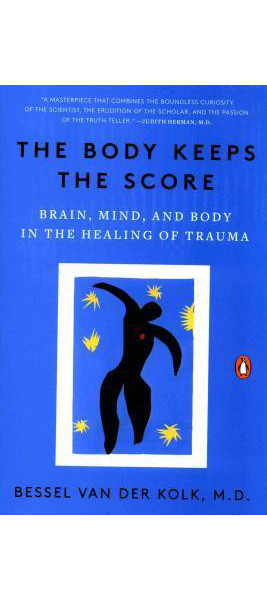
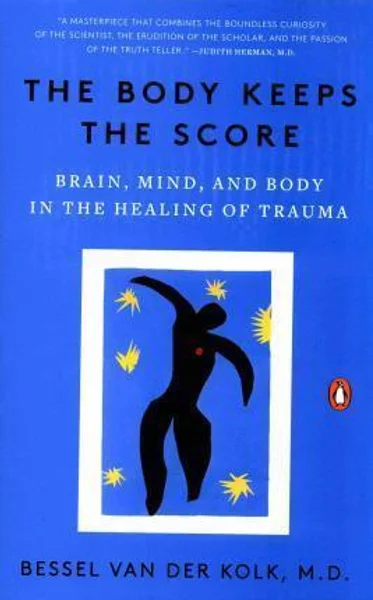
The Body Keeps the Score: Brain, Mind, and Body in the Healing of Trauma
Comprehensive guide by Dr. Bessel van der Kolk on how trauma reshapes the brain and body, offering innovative, evidence-based treatments for healing and…
Product Unavailable
Sorry, we don't know where you can buy The Body Keeps the Score: Brain, Mind, and Body in the Healing of Trauma in UK.
How about these instead?





Description
The Body Keeps the Score: Brain, Mind, and Body in the Healing of Trauma by Dr. Bessel van der Kolk is a transformative non-fiction resource designed for anyone seeking to understand the profound impact of trauma on human psychology and physiology. This comprehensive guide bridges the gap between neuroscience and clinical practice, offering essential insights for survivors, mental health professionals, and caregivers navigating the complexities of recovery.
Dr. van der Kolk, a leading authority in the field, utilizes decades of research to explain how traumatic experiences physically alter brain structure and function, often disrupting the body's ability to regulate emotions and trust. The text moves beyond theoretical definitions to explore practical, innovative treatment modalities ranging from neurofeedback and meditation to somatic exercises like yoga, drama, and sports that leverage the brain's natural neuroplasticity to foster healing.
Readers will gain a deep understanding of the science behind trauma responses, including the role of the amygdala and the nervous system, while learning how strong, supportive relationships can serve as a catalyst for reclaiming a sense of safety and self-control. This book is an indispensable tool for those looking to move from understanding the mechanics of trauma to implementing evidence-based strategies for long-term recovery and resilience.
Specifications
- Hawttt Product ID:
- 133717
- Category:
- Books
- Category:
- How To Guides
Extended Information
Trauma is a fact of life. Veterans and their families deal with the painful aftermath of combat; one in five Americans has been molested; one in four grew up with alcoholics; one in three couples have engaged in physical violence.
Dr. Bessel van der Kolk, one of the world’s foremost experts on trauma, has spent over three decades working with survivors. In The Body Keeps the Score, he uses recent scientific advances to show how trauma literally reshapes both body and brain, compromising sufferers’ capacities for pleasure, engagement, self-control, and trust.
He explores innovative treatments—from neurofeedback and meditation to sports, drama, and yoga—that offer new paths to recovery by activating the brain’s natural neuroplasticity.
Based on Dr. van der Kolk’s own research and that of other leading specialists, The Body Keeps the Score exposes the tremendous power of our relationships both to hurt and to heal—and offers new hope for reclaiming lives.
Trauma is a fact of life. Veterans and their families deal with the painful aftermath of combat; one in five Americans has been molested; one in four grew up with alcoholics; one in three couples have engaged in physical violence. Dr. Bessel van der Kolk, one of the world’s foremost experts on trauma, has spent over th
Frequently Asked Questions
Is this book suitable for someone who has never studied psychology before?
Yes, the book is written to be accessible to a general audience. Dr. van der Kolk explains complex neuroscience concepts using clear language and real-world examples, making it understandable for readers without a medical background.
Does this book cover specific treatment methods for trauma?
Yes, the text details various innovative treatments including neurofeedback, meditation, yoga, drama, and sports, explaining how each approach activates the brain's natural neuroplasticity to aid recovery.
What is the primary focus regarding the physical effects of trauma?
The book focuses heavily on how trauma literally reshapes both the body and the brain, detailing how it compromises capacities for pleasure, engagement, self-control, and trust, rather than just being a psychological event.
Is this resource useful for partners or families of trauma survivors?
Yes, the book explores the tremendous power of relationships to both hurt and heal, providing valuable insights and hope for partners, family members, and friends who wish to support a survivor's recovery process.